Editor's note:

This piece is part of a series of policy analyses entitled “The Talbott Papers on Implications of Russia’s Invasion of Ukraine,” named in honor of American statesman and former Brookings Institution President Strobe Talbott. Brookings is grateful to Trustee Phil Knight for his generous support of the Brookings Foreign Policy program. 

Located next door to the raging war in Ukraine, Poland has become a new focal point of migration in Europe. According to the United Nations High Commissioner for Refugees (UNHCR), almost 14 million crossings have been recorded from Ukraine to Poland since February 24, 2022, and nearly 1 million Ukrainians are currently recorded as refugees in the country of nearly 38 million inhabitants. As of August 8, the UNHCR registers approximately 4.6 million Ukrainian refugees across Europe (excluding Russia). The European continent has not seen such levels of displacement — in both speed and scale — since World War II. In the wake of the Russian invasion, both the Polish government and civil society welcomed Ukrainian refugees with open arms and massive support efforts. The European Union’s Temporary Protection Directive, adopted just days after Russia’s attack, further facilitated the humanitarian response by granting Ukrainians immediate legal status to reside in member states and rights to access services.

Just a few months earlier, however, thousands of migrants and asylum-seekers from Africa and the Middle East were left stranded in the forest separating Poland and Belarus, forcefully turned away by Polish border guards at the gates of the European Union. The Belarusian government began weaponizing migrants as a political tool in mid-2021, resulting in several thousand individuals primarily from Iraq and Syria arriving to enter Poland, Lithuania, and Latvia via Belarus in order to seek asylum in countries within the EU. Rather than offering safety, however, the Polish government announced a state of emergency and constructed a 186-kilometer border wall to thwart any crossing attempts. The emergency order also denied aid workers, journalists, and civil society groups access to the border area and criminalized any effort to help migrants trapped in the forest.
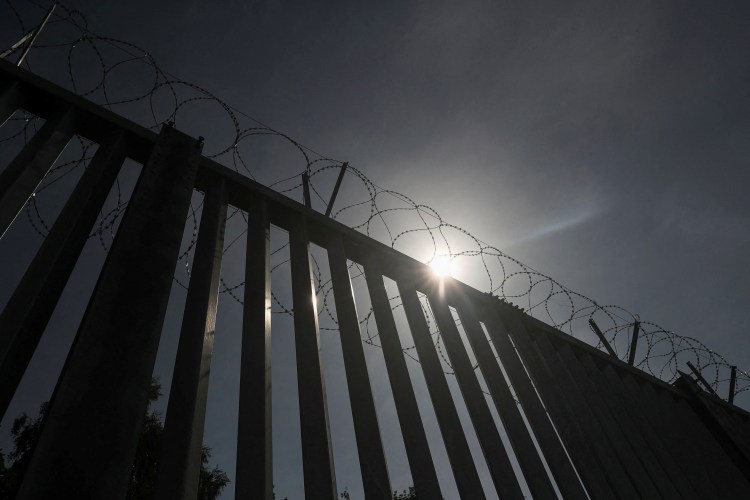
View of the wall erected to prevent migrant crossing on Polish-Belarusian border
A view of the wall erected to prevent migrant crossings on the Polish-Belarusian border amid a migrant crisis near Kuznica, Poland, June 30, 2022. REUTERS/Kacper Pempel

The about-face in policy toward asylum-seekers is not unique to Poland. Since the start of the Russian invasion of Ukraine, analysts have highlighted the sharp discrepancy between the treatment of Ukrainian and non-Ukrainian asylum-seekers. At land borders and at sea, migrants and asylum-seekers seeking to reach Europe from North Africa and Turkey continue to be forcefully turned back in now-commonplace violations of EU and international law. On June 14, 2023, for example, over 500 asylum-seekers and migrants were estimated to have lost their lives in a single shipwreck in the central Mediterranean as the Greek coast guard watched.

Even after asylum-seekers arrive, Europe’s disparate policies have concrete implications at the local level for the towns and cities hosting refugees, asylum-seekers, and migrants. Amidst persistent global conflicts, worsening climate change, and the economic fallout of the pandemic and the war, Europe saw the number of non-Ukrainian asylum applications increase to over 900,000 in 2022 — levels not seen since 2016. Yet support for non-Ukrainian asylum-seekers has been hindered by a lengthy asylum process, relatively lower civil society and political resources compared to the Ukrainian response, and staffing and housing shortages.

In June, the Council of the European Union announced an initial agreement as part of negotiations on a broader pact on asylum and migration management. The proposal includes expanded border detention centers and a procedure whereby asylum-seekers would be relocated to cities and towns in EU states less exposed to migration. It also proposes EU states would pay up to 20,000 euros per asylum-seeker if they refuse to accept such relocations. The next step will be negotiations between the council and the EU Parliament. Observers have argued that the proposal is overly focused on border enforcement and detention and does little to build off the positive lessons of the Ukraine response. Even if approved, however, the pact would reportedly not enter into force until 2026.

Research and the successes of the Ukrainian response have shown that asylum-seekers and refugees can contribute to local economies and societies if given the right support, particularly as countries across Europe grapple with aging workforces and labor shortages. As policymakers work to design migration and asylum policy in Europe, the legal frameworks, political will for solutions, and civil society mobilization for Ukrainian refugees can provide a roadmap for improving policies for refugees and asylum-seekers in Europe more broadly.

Figure 1 https://data.unhcr.org/en/situations/ukraine Open Link to see figures!
Demographic and socioeconomic factors shape unique vulnerabilities Under European and international law, states have an obligation to uphold the right of individuals to seek asylum regardless of their country of origin. The 1951 Convention Relating to the Status of Refugees and its 1967 Protocol — of which all EU members are signatories — obliges states to accord protection to all individuals with a “well-founded fear of being persecuted for reasons of race, religion, nationality, membership of a particular social group or political opinion.” National origin legally cannot be a basis for discrimination in the asylum process. The different demographics, educational backgrounds, experiences of violence and displacement, and the journey to Europe nevertheless all shape refugees and asylum-seekers’ local integration experiences and access to the labor market and must inform government policy facilitating integration once refugees and asylum-seekers arrive. Ukrainian refugees displaced by the war differ in several respects from previous groups of asylum-seekers seeking protection in Europe. Men aged 18-60 years have been prohibited from leaving the country due to martial law. A UNHCR monitoring exercise conducted between October 2022 and August 2023 found that 85% of members of households interviewed are women and children.1 About one-third of household members are minors under 18 years of age, among whom approximately 80% are school-aged children between 5-17 years and 20% infants between 0-4 years. Of all households interviewed, 44% include at least one school-aged child and 15% include at least one infant. The Ukrainians interviewed also have high levels of educational attainment: almost 50% completed tertiary education, including postgraduate degrees, and an additional 29% underwent vocational training. Prior to leaving their homes, over half of Ukrainian refugees were employed. Ukrainians also overwhelmingly carry a national identity document. A prior version of the UNHCR’s survey (conducted from May to November 2022) found that 74% of interviewed Ukrainians had a biometric passport, enabling rapid registration for protection and benefits under the Temporary Protection Directive. Finally, due to proximity and remaining ties at home, 26% of Ukrainians residing in neighboring countries have visited Ukraine at least once since their initial departure. In contrast, the almost 1 million non-Ukrainians who applied for asylum in the EU in 2022 are of diverse national backgrounds and demographic composition. People who sought asylum came from countries across the globe, with Syrians and Afghans representing the top two nationalities at around 130,000 individuals each. The third-largest group came from Turkey, with Venezuela and Colombia close behind. Those fleeing war and persecution are arriving alongside individuals fleeing the economic fallout of the COVID-19 pandemic, slow or fast-onset environmental disasters, and fragile governments. Displacement is often multi-causal, and existing legal asylum frameworks do not provide protection for factors including climate change-induced displacement.                                                                                Figure 2  https://ec.europa.eu/eurostat/databrowser/view/MIGR_ASYAPPCTZA__custom_7000181/default/table?lang=en Open Link to see figures!                                                                                                                                                                   
In terms of gender, 71% of total asylum applications in 2022 were submitted by males and 29% by females. This gender discrepancy has been attributed by researchers to factors including the extreme difficulty and danger of reaching Europe and women’s limited socioeconomic rights and resources in origin countries and first-destination countries of refuge. Over 240,000 individuals — about one-quarter of applicants — were under 18 years old, of which 59% were boys and 41% were girls. Nearly one-fifth of children arrived unaccompanied by a parent or legal guardian. Finally, identity verification is a key requirement in establishing protection needs and accessing support services, especially country of origin and age. The absence of travel and identity documents upon arrival — due to displacement conditions or incidents during the journey — can often prolong the review process. In Germany, for example, the proportion of asylum-seekers without official documentation has decreased in recent years, though approximately 45% of applicants in 2021 still lacked passports or ID cards.  Studies of the 2015-16 European refugee crisis found that educational background varied widely across countries of origin. In Germany, for example, a study conducted in 2015 found that greater proportions of asylum-seekers from Iraq and Syria held tertiary degrees than other groups, and a majority had attained secondary education. Monitoring surveys conducted in 2016 and 2017 on the Eastern Mediterranean route (Serbia, Greece, North Macedonia, and Hungary) by the International Organization for Migration (IOM) found a lower level of educational attainment for irregular migrants and asylum-seekers across all countries of origin compared to Ukrainian refugees. Over 50% of respondents interviewed held secondary degrees, while approximately 16% had attained tertiary education and approximately 6% had no formal education. However, this data does not reflect the educational profile of asylum-seekers and migrants arriving in 2022 and 2023. Overall, irregular migrants and asylum-seekers arriving in Europe have often attained higher educational levels than non-migrants from their countries of origin.These demographic and socio-economic differences between Ukrainian and non-Ukrainian refugees and asylum-seekers shape migrants’ specific vulnerabilities and needs, which in turn affect the formulation of adequate reception and integration policies. The Organization for Economic Co-operation and Development (OECD) has highlighted that female-led refugee households face significant challenges due to the double burden of childcare and economic support. Research shows that women and children refugees are also more vulnerable to exploitation and abuse. At the same time, Ukrainians’ high level of educational attainment and diasporic connections have likely facilitated their labor market integration amid European worker shortages. For non-Ukrainian asylum-seekers, documentation challenges and the broad range of displacement reasons present barriers during the asylum process. After receiving asylum status, lower educational attainment and smaller diasporic networks are factors in accessing employment. Among the key differences between Ukrainian and non-Ukrainian refugees and asylum-seekers have been the divergent EU and national legal frameworks and political and societal mobilization that have met these two populations. Yet while these factors play a role in integration, the European Union and its constituent governments hold the legal responsibility to protect all refugees seeking protection. As examined below, among the key differences between Ukrainian and non-Ukrainian refugees and asylum-seekers have been the divergent EU and national legal frameworks and political and societal mobilization that have met these two populations. For Ukrainians, these frameworks and support have substantially mitigated the challenges faced by vulnerable groups including female-headed households. For non-Ukrainians, the current asylum process often exacerbates challenges facing asylum-seekers and communities, and support after asylum is insufficient in helping integration.

Where there’s a will, there’s a way: Europe’s response to Ukrainian refugees

The response to Ukrainian displacement in Europe was both historic and unique. Within two weeks after Russia’s full-scale attack, over 1.5 million refugees had crossed into Poland via the Polish-Ukrainian border. The speed and scale of the exodus led the European Union to adopt the Temporary Protection Directive (TPD) for the first time since its establishment in 2001. Originally developed in the wake of the Yugoslav Wars to provide emergency protections in instances of mass displacement, the directive had never been triggered, even during the sharp increase in refugees and asylum-seekers fleeing Syria and other war-torn countries in 2015. On March 4, 2022 — eight days after the Russian invasion — the European Union invoked the directive, granting Ukrainians who apply for the TPD immediate legal status to reside in member states and rights to access housing, employment, education, and social services. At the level of civil society, Europeans quickly mobilized to support refugees. A combination of political will and social solidarity enabled a remarkably effective reception of refugees in the days and weeks after the outbreak of the war.

Politically, the EU directive was a crucial mechanism for national governments to accept and accommodate Ukrainian refugees in a short time with minimal bureaucratic hurdles. The immediate provision of legal status avoided long backlogs in already-stretched asylum systems. Authorizations to seek employment and education and access to housing as well as social and medical benefits at least in principle created the possibility for Ukrainians to settle quickly in their host countries. National governments published websites in Ukrainian with information on how to register for temporary protection and access services and expanded opportunities for learning the host country’s language.

At the civil society level, not only were Ukrainians perceived as fellow Europeans, but the attack on Ukraine was viewed as an affront to Europeans’ own democratic way of life and a threat to their future security. The large Ukrainian diaspora of over 1.5 million legal residents predating the full-scale war also played an instrumental role in the massive mobilization efforts. Local organizations and private individuals — even beyond Ukraine’s neighbors — raised money and coordinated rides to the border to transport people to specific locations and welcome centers. Refugees who had existing networks often moved in with their contacts, and private households signed up to open their homes to strangers as host families. Others stayed temporarily in collective reception sites but were generally moved quickly into houses or apartments rented by local governments. An OECD survey conducted between April and August of 2022 suggested that over one-quarter (27%) of Ukrainian refugees lived in private households, including 19% who lived with family members. Another 18% stayed in private rented accommodation and only 14% remained in reception centers. Many Europeans also helped indirectly, donating money, food, and clothing to support Ukrainians in their communities.

Challenges remain for Ukrainians and local host communities

Despite the unprecedented legal and political frameworks and the positive societal reception, the response to Ukrainian displacement has not been without challenges — for national and municipal governments, host communities, and Ukrainians themselves. First, the legal framework provided by the TPD at the EU level still left national governments responsible for implementation, leading to discrepancies in the accessibility of rights and benefits across different states. Granting Ukrainians the freedom to choose where to settle led to a greatly unequal distribution of refugees across and within EU states. In early August 2023, the UNHCR recorded the highest numbers of Ukrainian refugees in Poland, Germany, the Czech Republic, Spain, and Italy across the EU. This correlated with the largest diaspora communities across Europe prior to the war present in those five countries.

Though many Ukrainian children initially continued their education from home via Zoom, localities scrambled to offer sufficient enrollment opportunities in local kindergartens and schools, as granted by the TPD. This entailed not only creating physical classroom space but also helping them understand content and learn the host country language in schools. In Poland and Germany, the two largest hosting countries, this came against a backdrop of existing teacher shortages. Host cities were similarly challenged to offer enough language courses for adults, a prerequisite for finding employment and integrating into community life. For locals who opened their homes to refugees as host families, the prolonged conflict and future uncertainty continued to strain private assets.

Stuck in a state of limbo, [Ukrainian refugees] try to navigate a viable path between integrating into host communities and maintaining the goal of returning home.

Ukrainians nevertheless face significant hardships despite Europe’s unprecedented warm welcome. Where shortages of language courses existed, refugees were unable to access opportunities to qualify for jobs or continue their education. Absent child care, adults were further hindered in seeking employment. Yet even when language and child care were established, strict regulations in select host countries prevented Ukrainians from accessing work in accordance with their qualifications. Nevertheless, some countries have taken advantage of the refugees’ presence to address labor shortages in key sectors. For example, Poland has launched an initiative to facilitate the integration of qualified Ukrainian refugees into its understaffed health and medical sector, which could serve as a template for other sectors and other European countries.

Finally, the psychological burden of displacement and violence weighs heavily on Ukrainians. Many families remain separated, as men aged 18-60 years are prohibited from leaving the country and those groups with special vulnerabilities face difficulties in leaving their homes. For refugees living in Europe, coping with and processing their war experiences as well as planning for an uncertain future are paramount mental struggles. Stuck in a state of limbo, they try to navigate a viable path between integrating into host communities and maintaining the goal of returning home.

Increasing arrivals to Europe amidst a sharp rise in forced displacement globally

While the shock of the Ukraine war and the displacement triggered by it dominated public discussions last year, Europe also saw near-record numbers of non-Ukrainian asylum applications and irregular arrivals. Excluding Ukrainians covered under the TPD, almost 1 million people applied for international protection in 2022 across the EU — an increase of over 60% compared to 2021 and the highest since 2016. The IOM reported that over 189,000 migrants and asylum-seekers arrived irregularly by land and sea in 2022 — also the highest since 2016. Arrivals for the first half of 2023 are already 54% higher than in 2022.

A key cause of asylum applications and irregular arrivals to the EU is dramatically rising global forced displacement over the past decade and the expansion of existing and new migration routes through North Africa, particularly Libya and Tunisia. The number of people forcibly displaced globally surpassed 100 million in 2022. By the end of 2023, the UNHCR estimates that number will reach over 117 million, with roughly half of those internally displaced and half displaced across international borders. Whereas 1 in 167 people were displaced in 2012, 1 in 77 were in 2022. Conflict, violence, persecution, human rights violations, and political turmoil remain the top drivers of displacement. Worsening climate change, inflationary macroeconomic shocks such as the COVID-19 pandemic and the Russian invasion of Ukraine, and flagging domestic economies helmed by debt-burdened governments are also all driving food insecurity and poverty that in turn contribute to rising internal and external migration.

Scholars and analysts have described current movements to Europe as “mixed migration” due to the different legal statuses of people arriving. Indeed, unlike those individuals who are fleeing conflict and persecution and thus have the right to asylum under the 1951 Refugee Convention and EU and domestic laws, others may not be afforded such rights. For example, people who are migrating in search of better livelihoods or who have been displaced by climate change and natural disasters may be protected under international human rights law, but they do not necessarily have access to asylum                                                                                                           Figure 3      https://www.unhcr.org/global-trends  Open Link to see figures!

 
In response to heightened numbers of arrivals of refugees primarily fleeing war in Syria, Iraq, and Afghanistan along with other asylum-seekers and migrants in 2014 and 2015, the EU implemented restrictive border enforcement measures and increased its aid and enforcement support to transit countries such as Turkey and Libya. While Europe promised to also expand safe migration and refugee resettlement pathways, such promises largely failed to materialize. Irregular arrivals subsequently declined from over 1 million in 2015 to fewer than 190,000 in 2017. Yet even with intensified enforcement and funding for often-abusive detention centers in Libya, migration to Europe through Libya and Tunisia has been sharply increasing since 2019. These routes, part of the broader Central Mediterranean route, are notoriously deadly. Even prior to the June 14 shipwreck, the UNHCR estimated that 1 in 6 people departing North Africa die on their journeys. With few other options, however, arrivals through this route are set to outpace 2022. Non-Ukrainian asylum-seekers arriving in Europe over the past year faced a wholly different reality than Ukrainian refugees. The greatest challenge for people seeking protection not covered by the TPD remains the complex and dysfunctional legal framework. On paper, the Common European Asylum System (CEAS) establishes EU-wide standards regarding the processing of applications, conditions of reception, and qualifications for protection. Moreover, the Dublin Regulation lays out a mechanism that assigns responsibility for asylum-seekers to their first EU country of arrival. In practice, however, many asylum-seekers who originally set foot in outer-EU states continue their journeys throughout the bloc — warranted by free movement across borders within the Schengen Area — into inner-EU countries before registering with national authorities, contrary to Dublin. Since the 1990s, the bloc has unsuccessfully tried to create a functional EU-wide refugee distribution mechanism. Some countries have internal systems that assign asylum-seekers to different regions, accounting for the size of the native population and economic capacity, such as the “Königstein Key“ in Germany. The recent EU agreement for a new asylum and migration pact envisions such a distribution mechanism that divides the responsibility of hosting asylum-seekers more equally across member states. It also includes a provision that offers countries to opt out of hosting in exchange for a 20,000-euro payment per individual into a common fund. Nonetheless, Poland and Hungary have already voiced objections, raising questions over whether negotiations between the council and the Parliament can successfully transform the proposal into law. As with the TPD, implementation disparities exist across EU countries with respect to the provision of reception services, availability of integration offerings, and general treatment of and attitudes towards asylum-seekers during and after the review process. Research shows that refugees prefer certain destinations over others, based on a combination of family and network ties, previous levels of asylum applications in the country, the perceived openness toward newcomers, and accessibility of support services and labor market opportunities. As a result, many countries in northwestern Europe have witnessed disproportionate arrivals of asylum-seekers. Over the last decade, Germany has been the largest receiving country in the EU, with over 240,000 asylum applicants in 2022 — on top of over 1 million Ukrainians arriving under the TPD. Hungary, by contrast, has pursued a strict “zero refugee“ policy and passed contested laws preventing people from seeking asylum in the country and instead outsourcing the procedure to Hungarian embassies abroad, violating international and EU law. At the forefront of increasing arrivals, however, several southern European countries — most notably Italy, Greece, and Spain — also are facing serious strains on their local reception capacities, resulting in demands for more solidarity and collective “burden-sharing” across the EU.                                                                                                                                                                                                                                                                                                                                                 Figure 4 https://ec.europa.eu/eurostat/databrowser/view/TPS00191/default/table?lang=en Open Link to see figures! 

Dysfunctional policies foil effective support and integration of non-Ukrainian asylum-seekers

Complex national legal frameworks around the asylum process, lower collective civil society and political resources compared to the Ukrainian response, and severe local housing and staffing shortages all threaten the current response for non-Ukrainian asylum-seekers. For the EU, the focus has been on securitization of borders and removal of irregular migrants and asylum-seekers, rather than protection of rights and physical safety. While there is wide variation between host countries, current policies broadly fail to adequately support individuals both during the asylum process and once they have achieved refugee status in building lives and integrating.

First, the asylum process itself differs sharply from the immediate legal protections extended to Ukrainians. As arrivals and applications increased, national authorities have struggled to expand their adjudication capabilities, creating a backlog of total pending cases that reached 877,725 by the end of 2022. Across Europe, insufficient staffing within asylum processing offices over the years has prolonged waiting times and squeezed resources for service provision. During the review and even when asylum claims are recognized, severe shortages in social workers prevent asylees from receiving adequate legal advice and accessing protection and integration measures, starting with language courses and extending to counseling and community engagement.                                                                                                  Figure 5    https://ec.europa.eu/eurostat/databrowser/view/MIGR_ASYPENCTZM__custom_6999707/default/table?lang=en Open Link to see figures!

Second, finding housing spaces presents one of the biggest challenges at the local level of host municipalities. Unlike Ukrainians, most other asylum-seekers are accommodated in collective shelters pending review of their applications. Depending on the host country, these may vary from empty group homes or gymnasiums divided by cardboard walls into small cubicles with bunk beds to small container or tent villages, as is often the case in Germany. In the worst cases, asylum-seekers reside in unprotected outside encampments or detention-like prisons, as recently uncovered in Hungary, Bulgaria, Croatia, and Greece.

Asylum-seekers thirdly face barriers to the labor market both while waiting for asylum decisions and after asylum is approved. The CEAS generally prohibits asylum-seekers from obtaining work permits for the first nine months after filing an application or until a positive asylum decision has been granted, with the intent to limit economic migration. Some countries have shortened this wait to six or three months. Other national limitations include the condition that no native or permanent resident of the host country could fill the job, restrictions on employment access for asylum-seekers arriving from “safe third countries” until a positive decision has been granted, and benefit reductions proportional to employment earnings. Beyond legal restrictions, studies show that long waiting times in the asylum procedure negatively affect the chances of employment for refugees in the year after receiving protection status, not least because of the psychological impact.

Even if asylum-seekers are not repatriated, a sharply increasing proportion of asylum-seekers — including from Syria and Afghanistan, which continue to face protracted violence and wars — are being granted subsidiary protection rather than refugee status. Within the EU, subsidiary protection is applied to individuals who governments argue do not meet the 1951 Convention definition of a refugee, yet who still face a serious threat of harm in their home country. Individuals who receive subsidiary protection must generally apply for residency renewal more frequently, creating additional bureaucratic burdens. For example, in Austria, subsidiary protection residency permits are valid for one year compared to three years for refugee status, while in France subsidiary protection recipients have four-year residency permits compared to 10 years for refugees. In some countries, such as Greece, having subsidiary protection instead of refugee status prevents individuals from applying for family reunification.

Individuals who receive either refugee status or subsidiary protection face additional barriers to integration and accessing employment. Research has found that national dispersal policies constitute an impediment to successful labor market integration, with asylum-seekers and refugees sometimes located in rural areas with weak local labor markets. Language barriers, lack of information and recruitment support, recognition of qualifications, and remote locations of accommodation centers further hinder asylum-seekers and refugees’ efforts to acquire employment.

Non-Ukrainian asylum-seekers and refugees are frequently physically and psychologically impacted by both displacement and their experience in hosting countries — ultimately affecting integration.

Non-Ukrainian asylum-seekers and refugees are frequently physically and psychologically impacted by both displacement and their experience in hosting countries — ultimately affecting integration. First, the long asylum procedure timeline condemns refugees to a prolonged state of uncertainty about whether they will be given protection status or sent home, prompting anxiety and mental stress. Second, when stuck in over-securitized or under-resourced encampments, asylum-seekers in many EU border countries are often at risk of violence and exploitation and are deprived of basic hygiene conditions and medical support. Even in more stable collective houses, gymnasiums, or containers, the lack of privacy, restless communal environment, and overcrowded spaces amplify psychological distress. For years, human rights organizations have criticized that standards of reception and accommodation of asylum-seekers undercut basic human dignity. Finally, research has shown that delays in family reunification create heightened incidences of mental disorders, inhibiting integration.

Notably, societal attitudes in host communities also differ with respect to non-Ukrainian asylum-seekers coming primarily from the Middle East, South Asia, and Africa. Racial and religious bias — conscious and unconscious — have contributed to the more frigid reception of non-Ukrainian asylum-seekers. Further, the economic and geopolitical consequences of the war in Ukraine directly affected Europeans, creating sympathy and giving them a stake in the Ukrainians’ cause, whereas the drivers of non-Ukrainian displacement are more distant. The sharp increase in asylum-seeker arrivals across Europe in 2015 and 2016 initially generated significant government and civil society mobilization to provide resources for newcomers, particularly after the highly publicized photo of two-year-old Syrian refugee Alan Kurdi’s body on a Turkish shore in September 2015. Yet the response varied widely across Europe, and even positive mobilization diminished or was met with the counter-mobilization of civil society groups opposed to the arrival of asylum-seekers. The current relatively weaker social mobilization for non-Ukrainian asylum-seekers has had concrete implications for both pressure on governments for political action and resources and resulted in lower complementary civil society support — support that has been key in helping Ukrainian refugees.

The TPD as a guide for reforming Europe’s asylum policy

Since the start of the Ukrainian refugee crisis, observers have highlighted Europe’s “double standard” toward Ukrainian and non-Ukrainian refugees and asylum-seekers. While Ukrainians were swiftly greeted with expansive legal protections, asylum-seekers from countries such as Syria who have also fled the horrors of war and repression were not met with similar policies even at the height of the Syrian civil war in 2015. The current patterns of non-Ukrainian arrivals and asylum applications are more mixed compared to 2015 and 2016. Climate change and environmental disasters are increasingly contributing to displacement alongside violence, persecution, and economic challenges — but legal frameworks have yet to catch up with this new reality.

Equitable treatment does not mean a suspension of asylum adjudication processes. Instead, analysts and advocates have argued that it means applying the principles that have driven the Ukraine response of viewing protections for individuals fleeing conflict and repression as part of Europe’s responsibility both under international law and the democratic norms of inclusion it espouses. All EU countries — with the exception of Hungary — committed to the U.N. Global Compact on Refugees in 2018. While not legally binding, the compact aims to strengthen solidarity among host countries and adequate conditions to foster refugees’ independence and self-reliance and reflects the urgency and benefits of more inclusionary policies toward refugees and asylum-seekers. Yet at land and at sea, European countries regularly push back non-Ukrainian asylum-seekers regardless of the potential validity of their claims. The legal rights of asylum-seekers once they arrive in many countries across Europe — such as Poland — stand in stark contrast to the mass political and social mobilization that has met Ukrainian refugees.

As this brief demonstrates, however, the effects of this disparity extend beyond Europe’s failure to adhere to its own pluralistic values and violations of human rights and international law at borders. They have concrete consequences for localities struggling with the implementation of national-level frameworks and for local economies and asylum-seeker integration. During the asylum application stage, the prevalence of detention centers, staffing shortages for asylum application processing, and limitations on asylum-seekers’ ability to work create deep burdens for asylum-seekers themselves and challenges for localities. After an asylum application is approved, unequal fiscal resources for housing and relatively limited civil society and social worker support services facilitating asylum-seeker access to the labor markets all hinder integration and strain local service systems.

Lessons from the experiences of asylum-seekers following the 2015 European refugee crisis and the successes of the Ukraine refugee response offer a policy roadmap to improve Europe’s approach to migration, asylum, and integration.

First, discussing the future of asylum in Europe requires recognizing that migration policies adopted at national and international levels are realized at the local level. The disconnect between policy design and execution leads to challenges in local host communities to respond effectively to large-scale arrivals of people seeking protection, especially if the legal frameworks and available support are distinct for different refugee and asylum-seeker populations within the same country. Bridging this divide requires an active role for municipal and local host governments, civil society, and refugee leaders in communicating the specific challenges they face and informing policy. This includes actions such as increasing local input on building initiatives to address severe local affordable housing shortages in many localities across Europe. In a 2020 policy brief for the European Migration and Diversity Programme, researchers including Brookings event speaker Petra Bendel highlighted how local leaders are already informing policy through city networks and ad hoc collaboration with national and EU actors and called for formally institutionalizing policy input mechanisms.

The Ukrainian response and previous research secondly demonstrate the strong connection between the asylum adjudication process and local integration. The psychological and skills loss impacts of detention centers, long delays in asylum processing, the experiences of living in substandard or even unsafe collective housing, and limited access to social workers all factor into asylum-seekers’ experiences of integration once refugee status is granted. The current EU proposal to detain asylum-seekers for months in border facilities as part of the new asylum process is not grounded in evidence of detention’s significant negative impacts. Instead, as many organizations such as the European Council on Refugees and Exiles have argued, building on what has worked in the Ukrainian context, such as the rapid legal temporary status process and securing less crowded housing facilities, will ultimately benefit both refugees and communities. Decisions on legal status allow localities to progress on issues of employment, education, and service allocation. Extending the purchase and provision of private residential facilities by municipalities, as dominant in the Ukrainian response, to non-Ukrainian asylum-seekers would further benefit local administrators in securing long-term affordable housing spaces, even beyond temporary migrant influxes.

Third, there is no “one-size-fits-all” formula for facilitating local inclusion and integration. Age, gender, family and medical status, language and cultural background, and reasons for fleeing their country of origin all shape what conditions asylum-seekers find themselves in, the challenges they face, and what support they require in host communities. In the Ukrainian response, factors including the large diaspora and language training along with the ability to settle in locations of their choosing helped early community inclusion efforts. While many non-Ukrainian refugees also have existing and growing diasporas, such as Syrians in Germany, distribution policies place individuals and families in communities where they often have no existing ties. In a policy brief, researchers from the Migration Policy Institute highlighted the importance of both early and sustained forums for refugee-host community interaction, particularly in rural areas with less racial and national diversity. Investing additional resources in these forums and expanding civil society outreach, including to groups that are working primarily with Ukrainian refugees, is a concrete action national and local governments can take.

Fourth, fostering inclusion and integration also means facilitating asylum-seekers and refugees to lead community-building efforts and engage in the labor market. In the case of Ukrainian refugees, immediate legal status, proactive efforts at job matching, private sector-public partnerships, and extensive education and language training opportunities have all helped quick labor market entry. An IOM survey of Ukrainian refugees found that language was the key barrier to work, while education level did not correlate with employment levels. While there is wider variation within the EU in opportunities for non-Ukrainian refugees, support programs have also recorded success. In Sweden, a two-year program for refugees helps them with intensive language training and work placement. Expanding such programs and reducing or eliminating wait times for labor participation for asylum-seekers and refugees is key, particularly given the severe labor shortages in countries across Europe.

Fifth, pursuing a functional “dual intent” policy is critical for host governments, for both Ukrainian and non-Ukrainian refugees and asylum-seekers. For Ukrainians, governments must guarantee protection and successful integration as the war continues, while also implementing structures to facilitate refugees’ return upon the war’s end. Return will be a crucial part of Ukraine’s future economic and societal reconstruction — the country was already facing an aging population and diminishing labor force before the war. Some observers have argued that the arrival of Ukrainian refugees cannot be viewed as a sustainable solution to labor market challenges. Yet as the lessons of many previous refugee crises have shown, the causes of displacement can extend for years, decades, or an entire lifetime. Premature attempts at return, as in the case of Denmark attempting to refoul Syrian refugees, cause direct harm and create a broader environment of fear and uncertainty for refugees navigating life in their host societies. The EU must take a strong stand against the premature repatriation of refugees by its member states.

Finally, as many have argued, EU asylum policy should extend beyond borders to expand safe pathways for refugees and asylum-seekers and help them avoid the trauma of deadly journeys and smuggler abuse. Researchers such as Jeff Crisp have highlighted the lack of evidence on the causal connection between expanded safe pathways and reducing irregular migrant and asylum-seekers arrivals — in part because so few pathways have been introduced. Expanding refugee resettlement and complementary programs such as labor visas that help individuals reach Europe from both origin countries and first-destination countries of refuge will not stop irregular arrivals completely. Nor are they a substitute for the right to claim asylum under international law. But expanded refugee resettlement will help localities plan more effectively around refugee arrivals and ensure the most vulnerable — such as women and families — who often cannot undertake the journey to Europe can access protection. Many promised pathways, such as in response to the 2021 Afghan refugee displacement, have not been implemented. Refugee resettlement should be significantly increased, along with complementary programs such as Talent Partnerships that create labor and education mobility pathways for non-EU countries.

As negotiations continue over the new migration and asylum pact, Europe has a chance to build a better future for asylum and refugee integration policy...

There are few signs that the causes of growing global forced displacement and mixed migration will abate in the near future. Ongoing violence and persecution in countries such as Syria and Afghanistan will prevent many from returning home, and recently intensifying violence in Sudan has displaced millions. Many refugees, such as Syrians in the Middle East, are facing intensifying pressure to leave the countries neighboring Syria where they have sought shelter, and in surveys are expressing increased desires to migrate to Europe and other destinations. Climate change, economic inequality, and weak domestic governments and economies are pushing many more to leave their homes in search of better lives. The recent suspension of the U.N. and Turkey-brokered Black Sea Grain Initiative (BSGI) and Russian attacks on Ukrainian ports threaten to once again limit commodity supplies and raise global food prices, worsening already-dire international food insecurity. The U.N. World Food Program sourced 80% of its wheat from Ukraine when the deal was terminated. This grim global picture only underscores the need for Europe to formulate a functional policy that accounts for the humanitarian dimension of displacement rather than focusing on detaining and pushing asylum-seekers back.

As negotiations continue over the new migration and asylum pact, Europe has a chance to build a better future for asylum and refugee integration policy that supports both asylum-seekers and refugees as well as local communities across Europe with aging populations and growing labor shortages. The Ukraine response has demonstrated the power of collective political and social will in welcoming a population fleeing the violence of war. European policymakers must keep these lessons in mind and the extensive research that shows that asylum-seekers and refugees can positively contribute to European societies and build lives for themselves if given support and protection.

Authors

 

Αναγκαία η αξιοποίηση από την Ελλάδα του Δικαίου της Θάλασσας Η Ελλάδα έχει αργήσει δραματικά και αδικαιολόγητα επί δεκαετίες να εφαρμόσει τις πολλές θετικές γι’ αυτήν προβλέψεις του Νέου Δικαίου της Θάλασσας. Η πολυμερής Διεθνή Σύμβαση του 1982 του Μοντέγκο Μπέι, εκτός από διεθνές Συμβατικό Δίκαιο που επικυρώθηκε από περισσότερες από 160 χώρες, αποτελεί στο μεγαλύτερο μέρος της και Διεθνές Εθιμικό Δίκαιο γενικής ισχύος που δεσμεύει πλήρως και τα λίγα κράτη που δεν ψήφισαν, δεν υπέγραψαν και δεν επικύρωσαν την Σύμβαση, όπως π.χ. η Τουρκία.

Η συνέχεια ΕΔΩ!

* Ο Δρ Βενιαμίν Καρακωστάνογλου ...

Αναδημοσίευση : Μεθ' Ορμής Ακαθέκτου (methormisakathektou.blog)

Κάθε φορά που καλούμαστε να ασχοληθούμε με το φαινόμενο του πολέμου και ιδιαίτερα με κάποιες συγκεκριμένες μορφές του, αναγκαστικά πιάνουμε στα χέρια μας τον κατεξοχήν μελετητή αυτού, τον Karl Von Klausewitz. Στο έργο του «Περί του Πολέμου», ο Πρώσος στρατιωτικός διακρίνει δύο είδη πολέμου: «Αυτά τα δύο είδη πολέμου είναι τα εξής: το ένα έχει ως στόχο να καταβάλει τον αντίπαλο, είτε για να τον εξουδετερώσει πολιτικά, είτε μόνο για να τον αφοπλίσει, υποχρεώνοντάς τον να δεχθεί την ειρήνη πάση θυσία· στο άλλο αρκούν μερικές κατακτήσεις στα σύνορα της χώρας είτε υπάρχει πρόθεση να διατηρηθούν είτε να χρησιμοποιηθούν σαν ανταλλάξιμο είδος τη στιγμή της ειρήνης[1]».

Ξεκινώντας από την παραπάνω ρήση, είναι δυνατόν να διακρίνουμε τους πολέμους σε δύο μεγάλες κατηγορίες: αυτούς στον οποίο ο ένας αντίπαλος με τις επιχειρήσεις του επιζητεί την πλήρη κατάρρευση του αντιπάλου και αυτούς που ο στόχος είναι η απόσπαση μιας περιοχής. Αν και αυτά τα δύο προφανώς πολλές φορές συμπλέκονται, ο στόχος της πλήρους κατάρρευσης του αντιπάλου επιτρέπει την χρήση θεμιτών και αθέμιτων τρόπων ενεργείας που θα δημιουργήσουν εστίες συγκρούσεων εντός του αντίπαλου κράτους καθιστώντας στην τελική φάση ολόκληρη την εδαφική του επικράτεια πεδίο επιχειρήσεων. Αυτή ακριβώς η χρήση αθέμιτων μέσων μάς οδηγεί στην έννοια του «Πολέμου Χωρίς Περιορισμούς» (Unrestrictred Warfare), έργο που δημοσιεύτηκε από δύο συνταγματάρχες του Κινεζικού Στρατού. Σε αυτό προτείνονται μέθοδοι – στρατιωτικές και μη στρατιωτικές για να είναι σε θέση χώρες όπως η Κίνα να αντιμετωπίσουν εξοπλιστικά ανώτερες χώρες όπως είναι οι ΗΠΑ[2]. «Ο πρώτος νόμος του Πολέμου Χωρίς Περιορισμούς είναι ότι δεν υπάρχουν κανόνες. Τίποτα δεν είναι απαγορευμένο[3]». Οι δραστηριότητες ενός τέτοιου πολέμου είναι δυνατόν να περιλαμβάνουν κυβερνοεπιθέσεις σε υπολογιστικά συστήματα, επιθέσεις στο τραπεζικό σύστημα, οικονομικός πόλεμος, τρομοκρατία, παραπληροφόρηση, ψυχολογικές επιχειρήσεις και πολεμικές συγκρούσεις στις πόλεις.

Η έννοια του υβριδικού πολέμου

Τί είναι όμως ο υβριδικός πόλεμος; Πώς μπορεί να οριστεί; Η απάντηση μπορεί να δοθεί ιστορικά και συγχρονικά. Ο υβριδικός πόλεμος υπάρχει ήδη από την Αρχαιότητα και θα μπορούσε να οριστεί ως: «η σύγκρουση που διαθέτει έναν συνδυασμό από τακτικές στρατιωτικές δυνάμεις και ατάκτους (guerillas, στασιαστές και τρομοκράτες) και μπορεί να περιέχει κρατικούς και μη κρατικούς παίκτες, στοχεύοντας έναν κοινό πολιτικό στόχο. Οι άτακτες δυνάμεις είναι δυνατόν να μην κατευθύνονται από μία κεντρική διοίκηση, παρ’ όλο που σε πολλές περιπτώσεις αποτελούν μέρος μιας συνεκτικής στρατηγικής που τίθεται σε χρήση προκειμένου να αντιμετωπιστεί ένας εισβολέας ή μια δύναμη κατοχής. Επίσης ο υβριδικός πόλεμος υπάρχει σε όλα τα επίπεδα του πολέμου από το τακτικό στο επιχειρησιακό και από εκεί στο στρατηγικό [4]». Επιπρόσθετα «οι στρατιωτικοί οργανισμοί δεν πρέπει να αγνοούν το πολιτικό περικείμενο και το αφήγημα μέσα στο οποίο όλοι οι πόλεμοι συμβαίνουν[5]».

Εν προκειμένω, χρησιμοποιείται ο όρος «υβριδικός» και όχι «συνδυασμένος» (combined) που αναφέρεται στη συνδυασμένη χρήση διαφόρων όπλων όπως πεζικό, τεθωρακισμένα, μηχανικό, ναυτικό κ.α. ακριβώς για να δειχθεί η χρήση άτακτων οι οποίοι χρησιμοποιούνται σε συμμετρικές και ασύμμετρες πολεμικές συγκρούσεις. Θα μπορούσαν να χρησιμοποιηθούν πολλά ιστορικά παραδείγματα αλλά ένα άκρως ενδιαφέρον είναι αυτό των Akinji ή Akindji της Οθωμανικής Αυτοκρατορίας. Αυτοί ήταν άτακτοι ελαφρά οπλισμένοι επιδρομείς, συνήθως καβαλάρηδες, οι οποίοι διενεργούσαν επιθέσεις τύπου guerilla πριν τον κυρίως στρατό με στόχο να προκαλέσουν το χάος και τον πανικό τόσο στον αντίπαλο στρατό, όσο στις πόλεις και τα χωριά του εχθρού.

Akinji καβαλάρηδες της Οθωμανικής Αυτοκρατορίας

Στην σύγχρονη εποχή, όπως είναι φυσικό, τα διαθέσιμα όπλα έχουν αυξηθεί και μέσα σε αυτά προσετέθη ένα νέο πεδίο συγκρούσεων το πληροφοριακό περιβάλλον. Το πληροφοριακό περιβάλλον μπορεί να οριστεί ως: «το σύνολο των ατόμων, οργανισμών και συστημάτων που συλλέγουν, επεξεργάζονται, διαδίδουν και ενεργούν βάσει πληροφοριών Το πληροφοριακό περιβάλλον είναι ένα ετερογενές παγκόσμιο περιβάλλον όπου οι άνθρωποι και τα αυτοματοποιημένα συστήματα παρατηρούν, προσανατολίζουν, αποφασίζουν και ενεργούν βάσει δεδομένων, πληροφοριών και γνώσεων[6]». Το Πληροφοριακό Περιβάλλον περιλαμβάνει τα κάτωθι πεδία διεξαγωγής:

α. Φυσικός χώρος

β. Κυβερνοχώρος

γ. Ηλεκτρομαγνητικό φάσμα

δ. Ανθρώπινη στάση και συμπεριφορά

ε. Περιβάλλον των σύγχρονων ΜΜΕ

Παράλληλα έχει τις ακόλουθες διαστάσεις:

α. Φυσική Διάσταση: ανθρώπινο δυναμικό, ΜΜΕ, συστήματα διοίκησης και ελέγχου.

β. Πληροφοριακή/ Εικονική διάσταση: πού και πώς πραγματοποιείται η συλλογή, ανάλυση, αποθήκευση, διανομή και προστασία της πληροφορίας

γ. Νοητική Διάσταση: Η διαμόρφωση της νοητικής κατάστασης αυτών που χρησιμοποιούν την πληροφορία.

Οι Πληροφοριακές Επιχειρήσεις είναι μια επιτελική λειτουργία, η οποία επιχειρεί να δημιουργήσει τα επιθυμητά αποτελέσματα στην θέληση, την κατανόηση και τις ικανότητες του εχθρού υποβοηθώντας τον Διοικητή στις γενικότερες στρατιωτικές επιχειρήσεις προς εκπλήρωση των τιθεμένων ΑΝΣΚ. Ως Πληροφοριακή Δραστηριότητα νοείται η κάθε στοχευμένη ενέργεια που έχει ως στόχο τον επηρεασμό της πληροφορίας ή/και των πληροφοριακών συστημάτων.

Οι έντονες μάχες στο πληροφοριακό περιβάλλον υπήρχαν πάντοτε αλλά μέχρι και τα μέσα της δεκαετίας του 2000 αφορούσαν κυρίως μη κρατικούς δρώντες, όπως οι τρομοκρατικές οργανώσεις. Χαρακτηριστικό παράδειγμα η δράση των φονταμενταλιστικών ισλαμικών τρομοκρατικών ομάδων που στην κορύφωσή τους διενήργησαν το τρομοκρατικό χτύπημα στους δίδυμους πύργους. Ο τρομοκράτης με την δράση του προσπαθεί να δημιουργήσει στον υπέρτερο κρατικό εχθρό ένα δίλημμα ασφαλείας και να τον εξαναγκάσει σε μία κατάσταση συνεχούς καταστολής και περιστολής δικαιωμάτων. Οι ισλαμιστές τρομοκράτες εκτιμάται ότι πέτυχαν τον στόχο τους: οι ΗΠΑ αποφάσισαν να κηρύξουν τον πόλεμο σε μία κατάσταση, «την τρομοκρατία» αγνοώντας πλήρως το προφανές ότι η τρομοκρατία ως αντίπαλος είναι δύσκολο να οριστεί. Αυτή ακριβώς η ασάφεια του νέου εχθρού, οδήγησε τις ΗΠΑ σε μακροχρόνιες και κοστοβόρες πολεμικές επιχειρήσεις στο Ιράκ και στο Αφγανιστάν με πολλαπλές συνέπειες.

Πρώτον• αποξένωσαν τις ΗΠΑ από τον υπόλοιπο κόσμο και ιδιαίτερα από τις ευρωπαϊκές χώρες καθώς δεν ήταν δεδομένη η σύνδεση της τρομοκρατίας με την ανάγκη ανάληψης στρατιωτικής επιχείρησης εναντίον του Ιράκ. Η επακόλουθη ομολογία του πρωθυπουργού της Μ. Βρετανίας Τόνυ Μπλερ ότι τελικά ο Σαντάμ δεν διέθετε όπλα μαζικής καταστροφής μεγιστοποίησε το παγκόσμιο κλίμα δυσπιστίας προς τις ΗΠΑ. Δεύτερον• η προσήλωση στον «πόλεμο κατά της τρομοκρατίας» τελικά απέτρεψε τις ΗΠΑ από το να σχεδιάσουν μία μακροπρόθεσμη στρατηγική για τα συμφέροντά τους. Τρίτον• ο πόλεμος κατά της τρομοκρατίας οδήγησε σε ευκαιριακές συμμαχίες με χώρες που χρησιμοποίησαν αυτή τη ρητορική για τους δικούς τους σκοπούς[7]. Τέταρτον• εθελοτυφλία στις ενδεχόμενες εσωτερικές αδυναμίες κρατών που εθεωρούντο «πυλώνες συνεργασίας». Τέτοιο κράτος ασφαλώς και είναι η Τουρκία. Οι ΗΠΑ παραγνώρισαν το ενδεχόμενο – αρκετά πιθανό ωστόσο, ιδιαίτερα όσο η ευρωπαϊκή προοπτική της Τουρκίας απομακρυνόταν – κατάληψης της εξουσίας από τους ισλαμιστές. Αυτό θα οδηγούσε αναπόφευκτα σε μια αποσκίρτηση της τουρκικής εξωτερικής πολιτικής από τις αμερικανικές επιταγές.

Αυτό που άλλαξε τελείως τα πράγματα ωστόσο είναι η δράση της Ρωσίας από τα τέλη της δεκαετίας του 2000 και μετά. Η Ρωσία εφάρμοσε το λεγόμενο το «δόγμα Γερασίμωφ». Το 2013 ο αρχηγός του Γενικού Επιτελείου των ενόπλων δυνάμεων της Ρωσίας Β. Γερασίμωφ δημοσίευσε ένα άρθρο με τίτλο «The Value of Science is in Foresights: The challenge demand rethinking the forms and methods of carrying operations” (Military Review 2016). Τον Οκτώβριο του 2013 ο ίδιος επέβλεψε τη συγγραφή μιας ακόμη ανάλυσης από τους αναλυτές Chekinov και Bogdanov με τίτλο:» The Nature and Content of a New-Generation War” (Bogdanov 2013).Με λίγα λόγια, σκοπός του παραπάνω δόγματος είναι με την χρησιμοποίηση υβριδικών επιχειρήσεων (και ιδιαίτερη έμφαση στον κυβερνοπόλεμο και τις ψυχολογικές επιχειρήσεις) το αντίπαλο κράτος να καταστεί ολόκληρο πεδίο επιχειρήσεων. Σκοπός είναι δηλαδή η εκ προοιμίου εξουδετέρωση οποιασδήποτε δυνατότητας αντίδρασης. Η παραπάνω τακτική εφαρμόστηκε στην Εσθονία, στην Γεωργία και με απόλυτα ολοκληρωμένο τρόπο στην Ουκρανία (Κριμαία, 2014). Η διαφορά με την προηγούμενη κατάσταση είναι ότι πλέον στον συνδυασμό συμμετρικών και ασύμμετρων τακτικών υπάρχει εμφανής μια κεντρική σχεδίαση με στόχο την επίτευξη συγκεκριμένων πολιτικών σκοπών.

Στην σύγχρονη εποχή, οι ασύμμετρες επιχειρήσεις, οι πάλαι ποτέ «άτακτοι», πολλές φορές είναι μη στρατιωτικού χαρακτήρα (non military) για αυτό και είναι πολύ δύσκολο – αρκετές φορές αδύνατο – πρώτον, να αναγνωριστούν ως επιχειρήσεις και δεύτερον, να ταυτοποιηθεί ο πραγματικός υπαίτιος – υποκινητής. Μια επίθεση σε υπολογιστικά συστήματα ή μια εκστρατεία παραπληροφόρησης συνήθως διενεργείται υπό το μανδύα εγκληματικής ενέργειας ή μιας διαδικασίας πολιτικής εκμετάλλευσης ζητημάτων.

Η έννοια της ασυμμετρίας στον πόλεμο

Ο «ασύμμετρος πόλεμος» (asymmetric warfare) έλαβε το όνομά του από την «ασυμμετρία» της σύγκρουσης ενός αδύναμου αντιπάλου με έναν ισχυρότερο. Ο ασύμμετρος πόλεμος χρησιμοποιεί μη παραδοσιακές πολεμικές τακτικές αλλά κυρίως χαρακτηρίζεται από πλήρη απουσία ηθικών αναστολών. Ο δρων ασύμμετρων επιχειρήσεων χαρακτηρίζεται από πλήρες έλλειμμα σεβασμού προς την ηθική του πολέμου. Δεν σέβεται την ανθρώπινη ζωή, διαπνέεται από πολιτικό ή θρησκευτικό φανατισμό και χρησιμοποιεί όλα τα μέσα προκειμένου να επιτύχει τον επιδιωκόμενο σκοπό[8]. Οι δρώντες ασύμμετρων επιχειρήσεων επιδιώκουν να δημιουργήσουν μια κουλτούρα, ιδιαίτερα στις νέες γενιές, ότι είναι σκόπιμο για τις πολιτικές και θρησκευτικές τους πεποιθήσεις να καταστούν μάρτυρες. Τα εργαλεία που χρησιμοποιούνται είναι πολλά και διαφορετικά: τρομοκρατικές ενέργειες, απαγωγές, δολοφονίες, μαζικά τρομοκρατικά χτυπήματα με αποστολές αυτοκτονίας, κυβερνοεπιθέσεις, ψυχολογικές και πληροφοριακές επιχειρήσεις και άλλα πολλά.

Το όλο θέμα του ασύμμετρου πολέμου έχει και νομική πλευρά, καθώς οι «στρατιώτες» που εντάσσονται σε μη κρατικούς στρατιωτικούς οργανισμούς δεν έχουν την νομική κάλυψη που απολαμβάνουν οι στρατιώτες των κρατών. «Δεν προβλέπεται η απαγόρευση σε μία κυβέρνηση στο να ασκήσει δίωξη σε μαχητές που δεν έχουν στρατευθεί από κράτη για πράξεις που εμπίπτουν στα προνόμια που απολαμβάνει ένας στρατιώτης σε μια διακρατική σύγκρουση[9]». Με απλά λόγια, οι μαχητές μη κρατικών στρατιωτικών οργανισμών που συλλαμβάνονται δεν είναι δυνατόν να απολαύσουν τα προνόμια του αιχμαλώτου πολέμου.

 Όπως ίσως να έχει γίνει φανερό ο ασύμμετρος πόλεμος σχετίζεται με την ηθική του πολέμου και εκπορεύεται από μη κρατικούς δρώντες. Ωστόσο, οι ασύμμετρες επιχειρήσεις είναι πολύ πιθανό να χρησιμοποιηθούν από συγκεκριμένα κράτη προς επίτευξη καθορισμένων πολιτικών στόχων χωρίς οι ενέργειες «να φέρουν την υπογραφή τους». Σύμφωνα με την κυβέρνηση των ΗΠΑ: «Οι ασύμμετρες προσεγγίσεις είναι προσπάθειες να παρακάμψουν ή να υπονομεύσουν τα δυνατά σημεία μας, ενώ εκμεταλλεύονται τις αδυναμίες μας χρησιμοποιώντας μεθόδους που διαφέρουν σημαντικά από την αναμενόμενη μέθοδο λειτουργίας των ΗΠΑ […] Αυτές γενικά αναζητούν ένα μεγάλο ψυχολογικό αντίκτυπο, όπως το σοκ ή την σύγχυση που επηρεάζει την πρωτοβουλία, την ελευθερία δράσης ή τη βούληση ενός αντιπάλου. Οι ασύμμετρες μέθοδοι απαιτούν μια εκτίμηση των ευπαθειών του αντιπάλου. Οι ασύμμετρες προσεγγίσεις συχνά χρησιμοποιούν καινοτόμες, μη παραδοσιακές τακτικές, όπλα ή τεχνολογίες και μπορούν να εφαρμόζονται σε όλα τα επίπεδα πολέμου, στρατηγικό, επιχειρησιακό και τακτικό και σε όλο το φάσμα των στρατιωτικών επιχειρήσεων[10]».

Ένα κράτος είναι δυνατόν να στρατολογεί ακτιβιστές και τρομοκράτες χρησιμοποιώντας το κατάλληλο αφήγημα. «Τα αφηγήματα ασκούν μια ισχυρή επιρροή στις ανθρώπινες σκέψεις και συμπεριφορές. Παγιώνουν την μνήμη, διαπλάσσουν τα αισθήματα, υποβάλλουν ευριστικούς τρόπους και προκαταλήψεις, επηρεάζουν την διάκριση ανάμεσα στα μέλη ενός γκρουπ και τους Άλλους και μπορεί να επηρεάσουν τα πλέον βασικά περιεχόμενα της ανθρώπινης ταυτότητας. Δεν προκαλεί λοιπόν έκπληξη το ότι, ακριβώς λόγω αυτών των επιρροών τους, τα αφηγήματα είναι σημαντικά στα πλαίσια των υποθέσεων ασφαλείας: για παράδειγμα, τα αφηγήματα αλλάζουν την πορεία των στασιαστικών κινημάτων, δίνουν το πλαίσιο των διαπραγματεύσεων, παίζουν ρόλο στην πολιτική ριζοσπαστικοποίηση ομάδων, επηρεάζουν τις μεθόδους και τους στόχους βίαιων κοινωνικών κινημάτων, και –πιθανότατα –παίζουν ρόλο σε κλινικές καταστάσεις – σύνδρομα που έχουν σημασία για το στράτευμα, όπως είναι οι μετατραυματικές διαταραχές. Συνεπώς, η κατανόηση του ρόλου που παίζουν τα αφηγήματα στα πλαίσια των υποθέσεων ασφαλείας, καθώς επίσης και η προσμέτρηση των χωρικών και χρονικών διαστάσεων αυτού του ρόλου, είναι ζητήματα εξαιρετικής σπουδαιότητας[11]».

Συμπεράσματα

Από όλα όσα εκτέθηκαν ανωτέρω, ο υβριδικός πόλεμος είναι η πολεμική δραστηριότητα που χρησιμοποιεί συμβατικές και μη συμβατικές και πολλές φορές μη στρατιωτικές (non military) μεθόδους. Ο ασύμμετρος πόλεμος από την άλλη σχετίζεται με την ηθική του πολέμου και την χρήση αντισυμβατικών μεθόδων χωρίς σεβασμό στην ανθρώπινη ζωή. Ο υβριδικός πόλεμος εκπορεύεται συνήθως από κρατικό δρώντα, ενώ ο ασύμμετρος από μη κρατικό αλλά, είναι δυνατόν, ασύμμετρες επιχειρήσεις να χρησιμοποιούνται από κρατικό δρώντα στο πλαίσιο του υβριδισμού του πολέμου προς επίτευξη συγκεκριμένων πολιτικών στόχων.

Τελικά ο υβριδικός και ο ασύμμετρος πόλεμος είναι… πόλεμοι; Εδώ, κάλλιστα την απάντηση μπορεί να μας την δώσει ο ίδιος ο Klausewitz: «Ο πόλεμος είναι μια πράξη βίας, προορισμένη στο να καταναγκάσει τον αντίπαλο να εκτελέσει τη θέλησή μας». Με αυτήν την οπτική, ο υβριδικός και ο ασύμμετρος είναι είδη πολέμου εφ’ όσον υπάρχει ένας δρων που επιχειρεί να επιβάλει την θέλησή του σε έναν έτερο δρώντα.


[1] Κ. Klausewitz, Περί του Πολέμου, Σημείωση ΙΙ.

[2] Qiao Liang & Wang Xiangsui, Unrestricted Warfare (Beijing: PLA Literature and Arts Publishing House, 1999), < https://www.bing.com/ck/a?!&&p=b32d7d4f3c232b40JmltdHM9MTY5MDU4ODgwMCZpZ3VpZD0xYTdlMDUzOS03M2UwLTY2YjAtMWFkZi0xNDY4NzdlMDYwZmMmaW5zaWQ9NTE5MA&ptn=3&hsh=3&fclid=1a7e0539-73e0-66b0-1adf-146877e060fc&psq=Qiao+Liang+%26+Wang+Xiangsui%2c+Unrestricted+Warfare+(Beijing%3a+PLA+Literature+and+Arts+Publishing+House%2c+1999)&u=a1aHR0cHM6Ly93d3cuYzRpLm9yZy91bnJlc3RyaWN0ZWQucGRm&ntb=1 > (πρόσβαση 29 Ιουλ. 2023).

[3] Στο ίδιο.

[4] Peter Mansoor, “Hybrid War in History” στο Hybrid Warfare: Fighting Complex Opponents from the Ancient World to the Present, Cambridge University Press, 2012, σελ 14-15.

[5] Στο ίδιο.

[6] Department of Defence, Strategy for Operations in the Information Enviroment, June 2016, σελ 3.

[7] Ήταν χαρακτηριστική η αφέλεια των Αμερικανών που θεωρούσαν ότι η Ρωσία θα ήταν δυνατόν να ενταχθεί στο παγκόσμιο σύστημα ασφαλείας. Θυμόμαστε ίσως οι παλαιότεροι την περίφημη διακήρυξη της Ρώμης του 2002, όταν τα μέλη του ΝΑΤΟ υπέγραψαν με τον Πούτιν τη δημιουργία του κοινού συμβουλίου ΝΑΤΟ – Ρωσίας. Ο ίδιος ο Πούτιν τότε είχε δηλώσει: «Όλα τα κράτη γύρω από αυτό το τραπέζι αντιμετωπίζουν έναν κοινό εχθρό: τη διεθνή τρομοκρατία και το συμβούλιο αυτό δεν θα μείνει στα λόγια». Ο Πούτιν ως τρομοκράτες θεωρούσε τους Τσετσένους και ως «πόλεμο κατά της τρομοκρατίας» εννοούσε την ολοκληρωτική καταστροφή του Γκρόζνι. Με το ίδιο σκεπτικό, οι Τούρκοι βάφτισαν τους Κούρδους τρομοκράτες και οι Κινέζοι τους Ουιγούρους.

[8] Giuseppe Caforio, “The Concreteness of Asymmetric War: Fragments of Experience” στο Connections 11(3) Summer 2012: 21.

[9] Allen Weiner, “Just War Theory and the Conduct of Asymmetric Warfare”, Daedalus, 146(1) Winter 2017, 60.

[10] Metz, S.. Strategic Asymmetry. Military Review, 81(4) 2001, July-August, 34

[11] NATO STRATEGIC COMMUNICATION HANDBOOK V. 1.0, 20 Sept. 2017


Πρόλογος. Εμφανίστηκε, τα τελευταία χρόνια, μια “θεωρία” που μπορεί να συνοψιστεί στην πρόταση : “τα αεροσκάφη πέφτουν γιατί είναι παλιά”. Το συγκεκριμένο απόφθεγμα διακινείται, στα ΜΜΕ και τα ΜΚΔ, από διάφορους κύκλους, συνήθως κομματικούς και δημοσιογραφικούς, αλλά και από άλλους, που δεν είναι εύκολο να προσδιοριστούν, ενδεχομένως ύποπτους. Η “θεωρία” αυτή έχει δυστυχώς αποκτήσει οπαδούς, οι οποίοι, είτε επειδή πρόσκεινται σε συγκεκριμένα κόμματα και πιστεύουν ότι έτσι κάνουν αντιπολίτευση στην κυβέρνηση, είτε από άγνοια, ή ακόμη και από αφέλεια την ενστερνίζονται και την διαδίδουν. Το πράγμα θα ήταν απλώς αστείο, αλλά φαίνεται ότι ένα σημαντικό ποσοστό του πληθυσμού έχει αρχίσει να την πιστεύει, και μάλιστα ακόμη και κάποια άτομα που πρόσκεινται στις Ένοπλες Δυνάμεις (ΕΔ), πράγμα που μπορεί να επηρεάσει την εμπιστοσύνη των πολιτών στην πολιτική και την στρατιωτική ηγεσία της χώρας, στις αεροπορικές μεταφορές και ιδιαίτερα στην ικανότητα της Πολεμικής Αεροπορίας (ΠΑ) να αντιμετωπίσει την απειλή.

Εισαγωγή. Η θεωρία αυτή είναι λανθασμένη και οι περισσότεροι φτάνουν να την πιστεύουν γιατί η γνώση τους όσον αφορά την συντήρηση μηχανημάτων, περιορίζεται στην εμπειρία τους με τις οικιακές τους συσκευές, και κυρίως στην εμπειρία τους με τα ιδιωτικά τους αυτοκίνητα.

Θα ήταν εύκολο βέβαια να καταλάβει κανείς, ότι η συντήρηση των αεροσκαφών δεν μπορεί να είναι παρόμοια με την συντήρηση των αυτοκινήτων, καθώς ο χειριστής ενός αεροσκάφους δεν μπορεί να σταματήσει στο βενζινάδικο της γειτονιάς αν “μείνει από βενζίνη”, ούτε να πάει στον μάστρο-Γιάννη στην επόμενη γωνία αν του στραγγίξουν τα υγρά των φρένων, ή του καεί η φλάντζα!

Η συντήρηση των αεροσκαφών, αντιθέτως, είναι εξαιρετικά εξεζητημένη υπόθεση και έχει διαμορφωθεί στην σύγχρονη μορφή της από μελέτες, εμπειρία και προσπάθειες στην πάροδο πολλών δεκαετιών.

Σκοπός της ανάλυσης αυτής δεν είναι να μεταπείσω τους ιδεοληπτικούς και τους φανατισμένους. Κάτι τέτοιο θα ήταν αδύνατο. Ο σκοπός μου είναι να προσεγγίσω αυτούς που έχουν παρασυρθεί από άγνοια και που πιστεύω ότι είναι οι περισσότεροι και οι οποίοι θεώρησαν φυσιολογικό ότι τα αεροσκάφη πρέπει να αντικαθίστανται συνεχώς με καινούρια, ειδάλλως κινδυνεύει η ασφάλεια των πτήσεων.

Σημειώνω ιδιαίτερα και προς άρσιν παρεξηγήσεων, ότι η πιό κάτω ανάλυση ΔΕΝ ΕΙΝΑΙ ΑΠΟΡΡΗΤΗ, σε κανένα της σημείο. Επίσης στην ανάπτυξή της αποφεύγω τα μαθηματικά και το τυπικό τους, καθώς και τους επαγγελματικούς όρους, ώστε η ουσία να γίνει κατανοητή από όσο το δυνατόν περισσότερους αναγνώστες. Πάντως, κάποια αναφορά σε στατιστικά στοιχεία και η παρουσίασή τους σχηματικά, είναι απαραίτητη γιατί αλλιώς η συζήτησή μας δεν θα μπορούσε να προχωρήσει.

Η συχνότητα βλαβών. Η συχνότητα βλαβών των στοιχείων μιας μηχανής ή ενός μηχανισμού, ή και η συχνότητα βλαβών ενός ολόκληρου μηχανολογικού συστήματος, έχει βρεθεί από χιλιάδες χιλιάδων πειράματα, ότι ακολουθεί ένα συγκεκριμένο μοτίβο, παρόμοιο σε κάθε περίπτωση. Το μοτίβο αυτό έχει ως εξής : Πολλές βλάβες εμφανίζονται στην έναρξη της επιχειρησιακής ζωής των μηχανημάτων, στην συνέχεια παρατηρείται μία μακρά περίοδος ηρεμίας όπου οι βλάβες είναι τυχαίες και ελάχιστες, και τέλος, πάλι παρουσιάζεται μία έξαρση των βλαβών στο τέλος της χρήσιμης επιχειρησιακής λειτουργίας τους. Το μοτίβο αυτό παρουσιάζεται σχηματικά (Σχήμα 1) παρακάτω, όπου και σημειώνονται καθαρά οι τρείς χαρακτηριστικές αυτές περίοδοι. Η καμπύλη ονομάζεται “η καμπύλη της μπανιέρας” λόγω του σχήματός της, ή του Weibull, από τον μαθηματικό που κυρίως την ανέλυσε.

Θα προσέξετε ότι η αρχική περίοδος υψηλού ρυθμού βλαβών ονομάζεται “Περίοδος Νηπιακής Θνησιμότητας” και αντιστοίχως, η περίοδος υψηλού ρυθμού βλαβών στο τέλος της ζωής ενός μηχανήματος, ονομάζεται “Περίοδος Γεροντικής Θνησιμότητας”. Αυτό συμβαίνει γιατί στις αρχές της δεκαετίας του ‘40 που οι μηχανικοί άρχισαν να ασχολούνται σοβαρά με τις βλάβες των μηχανημάτων, η πιθανοθεωρία της θνησιμότητας των ανθρώπινων πληθυσμών είχε ήδη ωριμάσει, οπότε το σχετικό μαθηματικό πρότυπο που αφορούσε τους ανθρώπινους πληθυσμούς χρησιμοποιήθηκε με μικρές μόνο τροποποιήσεις αυτούσιο, με αποτέλεσμα πολλοί όροι από το ένα πεδίο έρευνας, να μετακυληθούν στο άλλο.

Φιλοσοφία Συντήρησης. Η “φιλοσοφία της Συντήρησης”, ο τρόπος δηλαδή που αντιμετωπίζονται οι βλάβες, η εξασφάλιση ανταλλακτικών, η επισκευαστική και η προληπτική συντήρηση για τα κοινά, καθημερινά μηχανήματα είναι απλή. Λειτουργούμε για παράδειγμα το αυτοκίνητό μας συμπληρώνοντας βενζίνη κάθε τόσο, κάνουμε μια μικρή περιοδική προληπτική συντήρηση μια φορά το χρόνο για να τσεκάρουμε φίλτρα, φρένα και διάφορα υγρά (μάλιστα χαριτολογώντας το λέμε “αλλάζουμε λάδια -ξίδια”), προσέχουμε την κατάσταση των ελαστικών και όσο για τις βλάβες, αυτές τις αφήνουμε να εκδηλωθούν όποτε τους καπνίσει και ασχολούμαστε μαζί τους μόνο όταν μας ανησυχήσουν. Λογική αυτή η αντιμετώπιση καθώς, στατιστικά, μια βλάβη στο έδαφος σπάνια σημαίνει δυστύχημα ή έστω σοβαρό ατύχημα. Επόμενο είναι ότι με αυτή την αντιμετώπιση, το αυτοκίνητό μας κάποια στιγμή θα παλιώσει (θα φτάσει στην “γεροντική περίοδο” της ζωής του δηλαδή), οι βλάβες θα γίνουν ανεξέλεγκτες και θα αναγκαστούμε να το αλλάξουμε.

Παρόμοια φιλοσοφία όμως δεν μπορεί να εφαρμοστεί σε ιπτάμενα μέσα γιατί μια τυχαία βλάβη μπορεί να οδηγήσει σε απώλεια ζωών και καταστροφή σημαντικών περιουσιακών στοιχείων. Η αγωνία μας λοιπόν στην Αεροπορία είναι να “προλάβουμε” την βλάβη προτού αυτή εκδηλωθεί. Για να γίνει αυτό, το μέλημά μας είναι να αντικαταστήσουμε ένα στοιχείο πριν από την έξαρση των βλαβών της περιόδου της γεροντικής του θνησιμότητας.

Γλαφυρά αυτό φαίνεται στο παρακάτω σχήμα (Σχήμα 2):

Το να βρεθεί το ιδανικό χρονικό σημείο αντικατάστασης κάποιου υλικού, για αρκετά χρόνια απασχολούσε κυρίως τον κατασκευαστή, του οποίου επιβάλλεται ακόμη και σήμερα σαν συμβατική του υποχρέωση. Αυτός όφειλε και οφείλει να πληροφορήσει τους χρήστες για το πότε πρέπει να γίνει μια αντικατάσταση και σε ποιό υλικό, αλλά και πότε πρέπει να γίνει μια επιθεώρηση και που. Ο χρήστης οργανώνει την προληπτική του συντήρηση ώστε να είναι συμβατή με τις οδηγίες του κατασκευαστή, αλλά και ενδεχομένως να τις τροποποιεί, με βάση την εμπειρία του, ενημερώνοντας τον κατασκευαστή. Οι πληροφορίες που συγκεντρώνει ο κατασκευαστής με τον τρόπο αυτό χρησιμοποιούνται για την βελτίωση των οδηγιών του, οι οποίες στην συνέχεια κοινοποιούνται και στους υπόλοιπους χρήστες του ίδιου συστήματος σε έναν αέναο κύκλο πληροφόρησης.

Εννοείται ότι τα στοιχεία που συγκεντρώνονται είναι στατιστικά και υπάρχουν περιθώρια λάθους. Το ζητούμενο είναι να βρεθεί η καλύτερη σχέση μεταξύ ασφάλειας και κόστους. Για τον λόγο αυτό, τις τελευταίες δεκαετίες εφαρμόζονται και νέες μέθοδοι, όπου ο χρήστης αναλαμβάνει κύριο ρόλο και η κατάσταση των υλικών ελέγχεται καλύτερα, ώστε οι αντικαταστάσεις είναι πιό στοχευμένες. Σύμφωνα με τις μεθόδους αυτές, ευαίσθητα σημεία των μηχανών, μηχανισμοί ή και δομικά στοιχεία, παρακολουθούνται με ειδικούς αισθητήρες οι οποίοι καταγράφουν θερμοκρασιακές μεταβολές, κραδασμούς και επιταχύνσεις τουλάχιστον. Τα στοιχεία αυτά αναλύονται με ειδικά προγράμματα και μας καθοδηγούν στο ποιά στοιχεία απαιτούν αντικατάσταση και πότε ακριβώς.

Οι συνηθισμένες επιθεωρήσεις και αντικαταστάσεις ανάγονται και εφαρμόζονται σε ορισμένο χρόνο, ή σε μονάδες μέτρησης (που τελικά ανάγονται με την σειρά τους σε χρόνο), όπως ώρες πτήσεως, ώρες λειτουργίας του κινητήρα, κύκλοι λειτουργίας και τα παρόμοια. Το ζητούμενο είναι, όλα τα υλικά και στοιχεία να απομακρύνονται προτού να παρουσιάσουν βλάβη και να αντικαθίστανται με καινούρια. Με τον τρόπο αυτό τα υλικά είναι πάντα καινούρια ή σχεδόν καινούρια και συνεπώς αξιόπιστα. Το αποτέλεσμα είναι ότι η ΓΕΡΟΝΤΙΚΗ ΠΕΡΙΟΔΟΣ ΤΟΥ ΣΥΣΤΗΜΑΤΟΣ ΟΛΟΚΛΗΡΟΥ και εν προκειμένω του ΑΕΡΟΣΚΑΦΟΥΣ, συνεχώς να απομακρύνεται, ώστε τελικά να μπορούμε να πούμε με βεβαιότητα ότι τα αεροσκάφη δεν πέφτουν γιατί είναι παλιά!!! Η διαδικασία αυτή φαίνεται σχηματικά πιό κάτω (Σχήμα 3).

Επίλογος. Αφού εξήγησα ότι τα αεροσκάφη “δεν τα σκοτώνουμε επειδή γερνάνε”, εύλογα δημιουργείται η απορία “Και καλά, πότε πρέπει να αποσύρουμε ένα αεροσκάφος παλαιού τύπου και να το αντικαταστήσουμε με κάτι πιό σύγχρονο;”. Η απάντηση δεν είναι μονοσήμαντη και η απόφαση λαμβάνεται μετά από μελέτη και ανάλυση πολλών στοιχείων. Γενικά λόγοι για την απόσυρση ενός αεροσκάφους μπορεί να είναι οι εξής:

–> Οι επιχειρησιακές δυνατότητες της δικής μας ΠΑ υπολείπονται των δυνατοτήτων του οποιουδήποτε θεωρούμε αντίπαλο.

–> Η υποστήριξη ενός τύπου αεροσκάφους γίνεται εξαιρετικά δαπανηρή και χρονοβόρα, χωρίς να φαίνεται στον ορίζοντα δυνατότητα βελτίωσης.

–> Το Δόγμα χρησιμοποίησης των αεροναυτικών δυνάμεων άλλαξε.

–> Η εμφάνιση ενός επαναστατικού νέου τύπου όπλου που επαναπροσδιορίζει τις επιχειρησιακές απαιτήσεις. 

Δημήτριος Κατελούζος

Αύγουστος 2023

Υστερόγραφο : Σε δεύτερο χρόνο, σκέφτηκα ότι χρωστώ μια εξήγηση! Ποιό ήταν το καράβι του Θησέα και τι σχέση έχει με την συντήρηση των σύγχρονων αεροσκαφών; Η απάντηση εδώ:

https://www.coeacropolis.gr/vima/eleftherignomi/1590-2023-08-05-05-55-03?fbclid=IwAR3S57NMcp7P5eRj7zNNOt-7IiRWz87VZS2OpeH5NrH1bbwQAbsKLF_pUdo

Σε περίπτωση τέλος, που κάποιος θέλει να ασχοληθεί παραπάνω με το μαθηματικό μοντέλο, μπορεί να ξεκινήσει διαβάζοντας τη σχετική παρουσίασή μου του 2017 με θέμα Αξιοπιστία – Συντηρησιμότητα – Διαθεσιμότητα (Δεξιό Click και άνοιγμα σε νέα καρτέλα):

Τρίτη 18 Ιουλίου 2023, Elite City Resort, Καλαμάτα, Εδώ το Πρόγραμμα του Φόρουμ!

Συνέδριο για την Ενέργεια και την Κλιματική Αλλαγή πραγματοποιήθηκε στην Καλαμάτα με τίτλο: «Climate Crisis & Green Energy Forum», με πλήθος συμμετοχών Ελλήνων της Ομογένειας. Το συνέδριο διοργάνωσε η Παγκόσμια Διακοινοβουλευτική Ένωση Ελληνισμού (Πα.Δ.Ε.Ε.) – World Ηellenic Inter-Parliamentary Association (W.H.I.A.), υπό την αιγίδα του Ινστιτούτου Ενέργειας ΝΑ Ευρώπης (ΙΕΝΕ), του Κέντρου Ανανεώσιμων Πηγών Ενέργειας (ΚΑΠΕ), του Δήμου Καλαμάτας και της Περιφέρειας Πελοποννήσου.

Η Παγκόσμια Διακοινοβουλευτική Ένωση Ελληνισμού (Πα.Δ.Ε.Ε.) αποτελεί οργανισμό ο οποίος συστάθηκε το 1996 με πρωτοβουλία της ελληνικής κυβέρνησης. Απαρτίζεται από νυν και πρώην ελληνικής καταγωγής βουλευτές νομοθετικών σωμάτων της αλλοδαπής και έχει ως σκοπό: α) την επικοινωνία και ανάπτυξη των σχέσεων των εν λόγω βουλευτών με τη Βουλή των Ελλήνων, β) την ενδυνάμωση των σχέσεων φιλίας και συνεργασίας με την Ελλάδα και την ανάπτυξη κοινής στρατηγικής σε ζητήματα ελληνικού ενδιαφέροντος, και γ) την προαγωγή και διάδοση του ελληνικού πολιτισμού και της ελληνικής γλώσσας.

Στο πλαίσιο αυτό, η Πα.Δ.Ε.Ε. συνεργάζεται στενά με την Ειδική Μόνιμη Επιτροπή Ελληνισμού της Διασποράς της Βουλής των Ελλήνων για την προώθηση θεμάτων που αφορούν στον απόδημο ελληνισμό.

Σύμφωνα με το καταστατικό λειτουργίας, το Διοικητικό Συμβούλιο της Πα.Δ.Ε.Ε. συνεδριάζει στην Ελλάδα μία έως δύο φορές ετησίως, ενώ η Γενική Συνέλευση πραγματοποιείται κάθε δύο έτη στην Αθήνα. Έως σήμερα η Γενική Συνέλευση της Πα.Δ.Ε.Ε. έχει υιοθετήσει σημαντικά ψηφίσματα για την υποστήριξη ελληνικών θεμάτων σε διεθνές επίπεδο.

Σε δηλώσεις, στο περιθώριο του συνεδρίου, ο Δήμαρχος Καλαμάτας Θανάσης Βασιλόπουλος επισήμανε: «Xαιρόμαστε πάρα πολύ που είμαστε εδώ και επέλεξαν την πόλη μας για να πραγματοποιήσουν το συνέδριό τους για την Κλιματική Αλλαγή. Ένα συνέδριο τόσο επίκαιρο, καθώς τα πράγματα αλλάζουν γύρω μας, και πρέπει να δείξουμε όλοι μας τον καλύτερό μας εαυτό και να καταθέσουμε προτάσεις και ιδέες για να προστατεύσουμε το περιβάλλον μας. Χαίρομαι, κύριε πρόεδρε, που μετά τη συνάντησή μας στη Βοστώνη, πριν από έναν περίπου χρόνο, αυτό το συζητήσαμε από τότε, μου το προτείνατε ότι θα είστε εδώ, και πλέον το υλοποιήσατε, και φιλοξενήστε στην πόλη μας».

Με τη σειρά του ο πρόεδρος της Παγκόσμιας Διακοινοβουλευτικής Ένωσης Ελληνισμού, Λεωνίδας Ραπτάκης, είπε: «Είναι πολύ μεγάλη τιμή που είμαστε σήμερα εδώ στην Καλαμάτα. Έχουμε πολλά μέλη που είμαστε εκλεγμένοι στο εξωτερικό και έχουμε ρίζες εδώ στην Καλαμάτα. Και όπως είπε και ο Δήμαρχος, όλο αυτό που έχουμε ξεκινήσει, μετά την αδελφοποίηση των πόλεών μας, είναι πολύ σημαντικό. Σήμερα συζητάμε σοβαρά θέματα για την κλιματική αλλαγή να βρούμε λύσεις, γιατί το κλίμα μάς επηρεάζει και στην υγεία μας και στην οικονομική κατάσταση», δήλωσε μεταξύ άλλων ο πρόεδρος, αναφερόμενος και στα πύρινα μέτωπα που μαίνονται αυτές τις ώρες σε διάφορες περιοχές της χώρας, αλλά και στα κατά καιρούς ακραία καιρικά φαινόμενα, όπως υψηλές θερμοκρασίες, πλημμύρες κ.ά. «Είναι πολύ σημαντικό όπως επεσήμανε ότι η συζήτηση έχει ήδη ξεκινήσει από εδώ την Καλαμάτα, την Πελοπόννησο με στόχο να εξευρεθούν οι βέλτιστες λύσεις για την αντιμετώπιση της κλιματικής κρίσης, και τη στροφή της ανθρωπότητας προς την πράσινη ενέργεια».

Το Κέντρο Αριστείας Ακρόπολις συμμετέσχε στο φόρουμ με την παρέμβαση του μέλους του Εκτελεστικού Συμβουλίου Υποναυάρχου Π.Ν. ε.α. Γεωργίου Τσόγκα και θέμα «Κρίσιμες προκλήσεις για την ασφάλεια της ενεργειακής υποδομής», η οποία έκανε μεγάλη εντύπωση και καταχειροκροτήθηκε από το ακροατήριο.

V.Adm George TSOGKAS HN address at WHIA Climate Crisis & Green Energy Forum: “Critical Energy Infrastructure Security Challenges”
Kalamata, 18 July 2023

Admiral Tsogkas started his presentation by highlighting the importance of Energy Security in the comprehensive effort to cope with the climate crisis and to understand the pertinent challenges related to it. In particular, he made explicit reference to the Critical Infrastructure and its associated security concerns.

He emphasized that security is a matter of perception; it requires proper attention in the planning and execution of any organization or institution dealing with climate and energy. It has to be considered as an issue of paramount importance which requires all domains’ approaches. Land, Maritime, Air and Cyber. He expressed his views that “land and air-to some extent- related issues” are more structured to be examined, because potential security incidents relate to sovereign rights, while the “maritime and cyber” are more difficult to address because of the nature of the incidents in those domains (i.e. open waters, difficult to spot the originators of a cyber crime etc) and in principle it is not always obvious if they hamper the sovereignty of the nation or its sovereign rights. On the contrary, if a cyber security incident has been proved, it may call for actions up to collective defence if considered as such within NATO context where the allies have agreed that this aggression falls under Article 5. He noticed that in the Maritime domain, the adopted approach is rather structured; and the approach to security is examined through the Maritime Security Operations 7 tasks with the understanding that not all of them “apply” at each case.

Then he highlighted the institutional approach undertaken by International Actors. Indicatively;
1/The US Department of Energy considers “climate action” along with “investments” among its priorities (comprehensive government and public sector approach);
2/The Organization for Security and Co-operation in Europe addresses the energy security problem (in five pillars) examining both economic and environmental approaches;
3/The EU has adopted an external energy policy aiming at a) strengthening its energy security, resilience and open strategic autonomy by diversifying its energy supply and boosting energy savings and efficiency, b) accelerating the global green and just energy transition to ensure sustainable, secure and affordable energy for the EU and the world and c) building long-lasting international partnerships and promote the EU clean energy industries across the globe. Its “REPowerEU” plan is to rapidly reduce dependence on Russian fossil fuels and fast forward the green transition of the Union;
4/NATO at its latest (2022) strategic concept addresses the issue and shows the willingness of the allies to work towards identifying and mitigating strategic vulnerabilities and dependencies, including with respect to critical infrastructure, supply chains and health systems. Additionally, it reflects their commitment to promoting energy security and investing in a stable and reliable energy supply, suppliers and sources, ensuring civil preparedness to provide for continuity of government, delivery of essential services to populations and civil support to armed forces. Through this, they will boost their own capacity to prepare for, resist, respond to, and quickly recover from strategic shocks and disruptions, and ensure the continuity of the Alliance’s activities. In parallel, the established NATO Energy Security Centre of Excellence in Vilnius, Lithuania has proactively addressed energy security-related issues as the “Subject Matter Expert” for the Alliance. Moreover, the recently established (operational by the end of 2023) NATO Climate Change and Security Centre of Excellence in Canada is expected to add value to this collective effort.

Admiral Tsogkas posed the critical question of “why security matters?” to recall the memory of the participants of the “Deep Water Horizon” oil rig spill (2010) on the north coast of the Gulf of Mexico, with its catastrophic implications, and he made parallelism that if such an incident would have happened off the coast of Kalamata and West Crete, then Greece would have lost for some good years its 20% of its GDP (due to loss of tourism) with unknown further consequences and implications! Additionally and in order to emphasize the security concerns he referred to two recent facts (both during the Russian aggression to Ukraine) i.e. the attack on Crimea’s Kerch bridge and the sabotage of the Nord Stream pipeline, examining solely the importance of energy security, leaving the politics out of question.

Finally, he expressed his concerns for potential low-profile- cases, like disrupting or putting out of order ships’ Navigation, Propulsion, Control, Electronic Charting, Integrated Communication Systems, including distress communications, or any other systems (ECDIS, GPS, AIS, SatCom) examining the unexpected consequences on terminals, receiving ports and relevant infrastructure at the aftermath of a cyber incident/ crime/attack.

Closing this section he brought to the participant's attention that the West via the Trans-Atlantic link is on a productive and effective track tackling the energy security issues in a comprehensive manner with solidarity and resolvement. EU with its funding mechanisms along with its energy dependency is a critical partner in this regard and should play a pivotal role.

He continued with the rather operational matters highlighting the importance of having timely decisions allowing provisions for adequate reaction times, the requirement for institutionalizing internal and external cooperation, the need for intelligence sharing when coping with emerging security challenges, the opportunity for utilization of innovative technologies and modern capabilities including artificial intelligence (AI) potentials, for a whole of space approach (on, under and above sea level) to act as a catalyst to defence, security, economy, environment and development interests. Also for the development, update and revision of the security plans for ports, pipelines, receiving stations, sea lines of communications, energy exploitation platforms, drilling ships, and relevant infrastructure and for the review and renewal of policy and plans (including defence and rules of engagement) for mitigating risks even from asymmetrical and hybrid threats. This demanding approach calls for urgent needs for educating own organizations, for considering the problem at tactical, operational, political and international levels.

Due to time constraints, he left some critical energy security questions for proper reflection by the attendees at his own discretion.
Admiral Tsogkas in his concluding remarks and prior to thanking the WHIA organizers, its President Senator L. Raptakis RI, the WHIA members present and all the participants for the opportunity, highlighted once more the importance of a Comprehensive Approach both for governmental and businesses actors, the requirement for an intense Operational Awareness and for demand for Political and Diplomatic Course of Action when approaching the Energy Security Challenges question.


Βίας ο Πριηνεύς: Άκουγε πολλά, μίλα την ώρα που πρέπει.

Θαλής o Μιλήσιος: Καλύτερα να σε φθονούν παρά να σε λυπούνται.

Κλεόβουλος ο Λίνδιος: Το μέτρο είναι άριστο.

Περίανδρος ο Κορίνθιος: Οι ηδονές είναι θνητές, οι αρετές αθάνατες.

Πιττακός ο Μυτιληναίος: Με την ανάγκη δεν τα βάζουν ούτε οι θεοί.

Σωκράτης: Εν οίδα ότι ουδέν οίδα. Ουδείς εκών κακός.

Θουκυδίδης: Δύο τα εναντιότατα ευβουλία είναι, τάχος τε και οργήν.

Πλάτων: Άγνοια, η ρίζα και ο μίσχος όλου του κακού. 

Αριστοτέλης: Δεν υπάρχει τίποτε πιο άνισο από την ίση μεταχείριση των ανίσων.